Writing About Conflict Isn�t Just Political�It�s Personal. Book on Construction in Warzones!
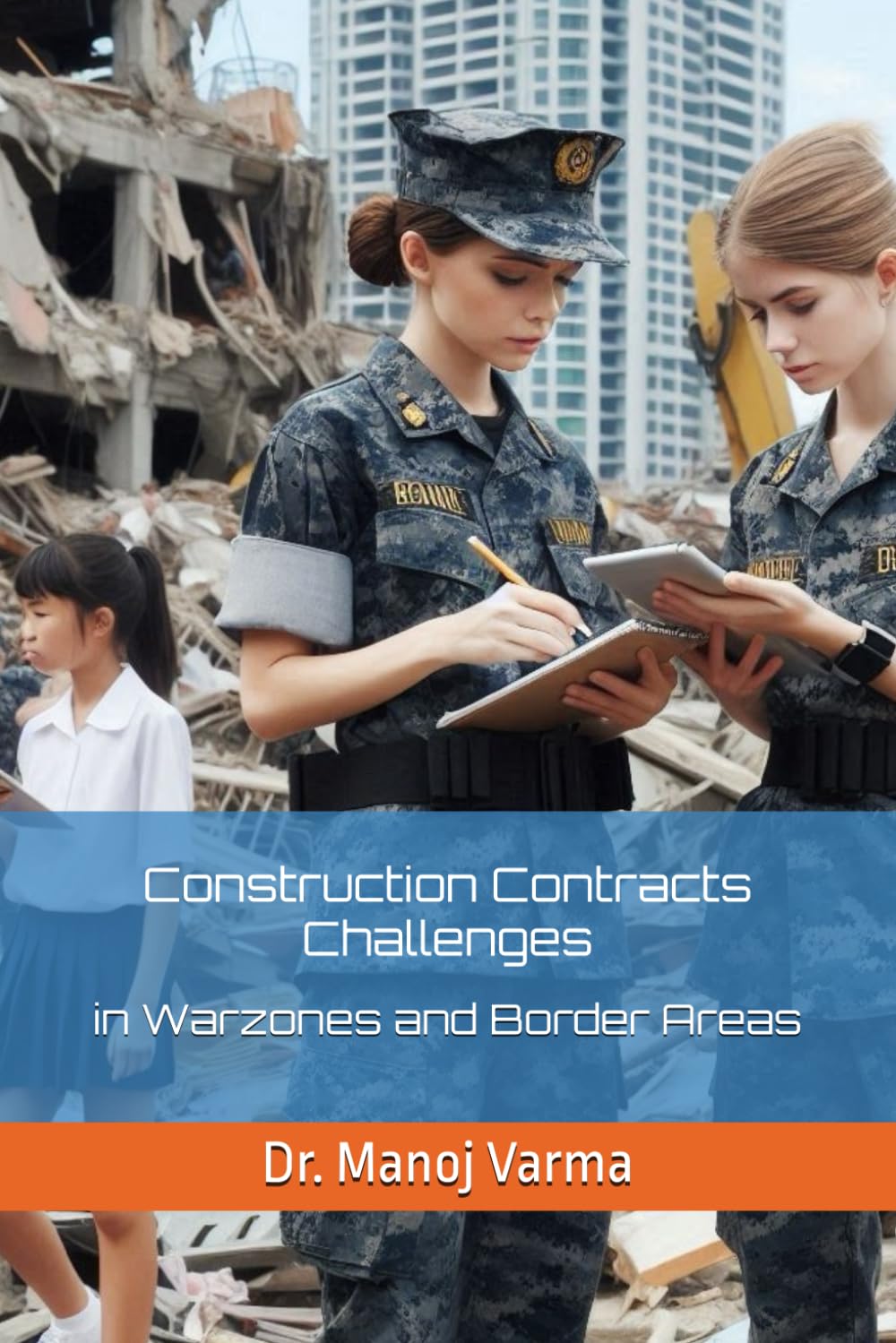
When I began writing Construction Contracts Challenges in Warzones and Border Areas, I wasn’t merely collecting case studies — I was reliving 21 years of hands-on experience in some of the world’s most volatile and high-risk construction environments.
Amazon link: https://www.amazon.com/dp/B0F44F2Z2M
From warzones and disputed borders to fragile ceasefires that can collapse overnight, this book is anything but theoretical. It was forged in the field — sometimes quite literally — through real-world projects along India’s Line of Control, major infrastructure developments in the Middle East, and the extreme high-altitude challenges of the Atal Tunnel.
Publishing a book that dives deep into construction in geopolitical flashpoints is far from a conventional journey. If you’re writing or planning to publish on a high-stakes topic — whether it involves war, borders, energy, or critical infrastructure — here are six hard-earned lessons I learned along the way:
1. Take Your Time — Controversial Books Cannot Be Rushed
Writing about active conflict zones leaves no room for speculation or shortcuts. I spent countless hours meticulously reviewing real incidents, historical disputes, treaty breakdowns, and military logistics.
Whether examining Beirut’s post-war reconstruction, the India-China Himalayan standoff, or the Russia-Ukraine border dynamics, every case study reflects the harsh realities contractors face when building amid uncertainty.
If you’re tackling sensitive or heavy topics, pause regularly to reassess your tone, verify accuracy, and ensure empathy.
2. Bring Your Authentic Self Into the Story
This book is deeply personal. It draws directly from my own experiences — negotiating contracts on Himalayan ridges, resolving disputes in UAE megaprojects, and managing high-risk tunnel construction at Rohtang Pass and the Atal Tunnel.
Readers don’t just want dry theory. They want to know how real professionals survive — and sometimes thrive — in the storm.
3. Test Your Ideas with True Experts
I refused to publish a single word until the manuscript had been rigorously reviewed by seasoned project managers, military engineers, contract lawyers, and even former diplomats.
The risks in warzone construction are multifaceted and rarely follow standard playbooks. My beta readers provided invaluable strategic insights that no archive could offer, and several case studies were significantly restructured based on their feedback.
4. Be Crystal Clear About Your Audience
This book is not written for casual readers. It is specifically for contractors, engineers, risk managers, and policymakers who must navigate extreme challenges such as:
- Unexploded Ordnance (UXO) threats
- Severe labor shortages
- Hostile takeovers of completed infrastructure
- Contractual chaos when borders shift overnight
From the Table of Contents to the Introduction and back cover, I made sure the book’s purpose and target audience were unmistakable. When writing about real-world risk, clarity isn’t optional — it’s essential.
5. Expect Resistance — And Prepare for It
Writing about military infrastructure, post-war reconstruction, or disputed territories inevitably invites scrutiny. Some will accuse you of politicizing engineering. Others will question your neutrality.
My response has been simple: stick to the facts. Grounded case studies from Hiroshima, Sarajevo, Gaza, and the Atal Tunnel help maintain a balanced, non-partisan perspective. I respond to criticism the same way I handle contract disputes — strategically, not emotionally.
6. Don’t Be Discouraged — You’re Starting a Vital Conversation
Warzone construction remains one of the least discussed yet most critical areas in our industry. Yet for thousands of professionals, it is an unavoidable reality.
From designing modular systems for rapid evacuation to securing payments when clients suddenly flee a country, this book is ultimately about survival and resilience.
If it helps even one contractor or project team better prepare for the unpredictable, then it has served its purpose.
Final Thought
Warzones don’t stop construction — they redefine it.
If you’re an author tackling complex, sensitive subjects that blend engineering, law, and geopolitics, remember this:
You’re not just writing a book. You’re equipping others to face the unpredictable — and that may be one of the most meaningful contributions you can make.
Construction Contracts Challenges in Warzones and Border Areas is now available.
It’s written for the brave professionals who continue to build where others fear to tread.
→ https://www.amazon.com/dp/B0F44F2Z2M
#ConstructionLeadership #ConflictZones #EngineeringResilience #WarzoneProjects #ProjectManagement #RiskMitigation #Geopolitics #BorderInfrastructure #InfrastructureDevelopment #ContractsUnderFire
My book Construction Contracts Challenges in Warzones and Border Areas is out now. It's for the brave professionals who build where others fear to break ground.
https://www.amazon.com/dp/B0F44F2Z2M
#ConstructionLeadership #ConflictZones #EngineeringResilience #Publishing #WarzoneProjects #ProjectManagement #RiskMitigation #Geopolitics #BorderInfrastructure #InfrastructureDevelopment #ContractsUnderFire
